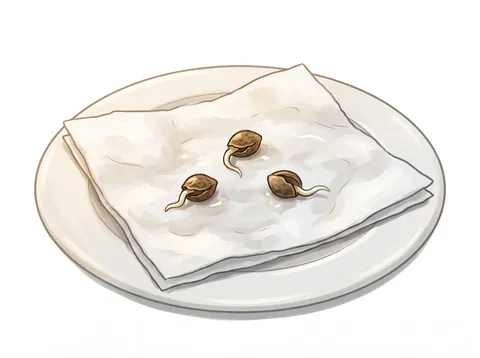
Method 1
Paper towel method
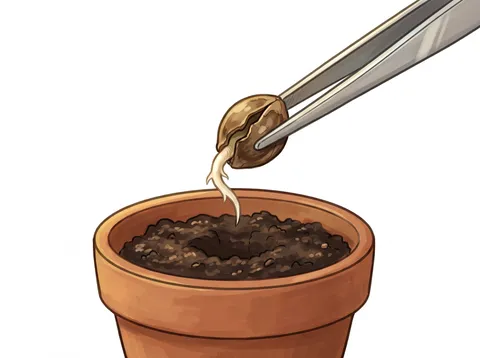
You can watch the taproot emerge, which tells you exactly when to plant. The downside is the transfer — picking up a seed with a live root and moving it to growing medium is the riskiest step in the process.
Your own background
Pick a photo for the page background. It stays in this browser only.


Grow guide
Germinating a seed is one of the most satisfying moments in growing. You place something the size of a pea in a bit of damp medium, wait a few days, and a small green shoot pushes through. It feels like a minor miracle every time, and it is easier than most people expect.
This guide walks you through five methods: the paper towel, directly in soil, coco coir, peat pots, and DWC starter cubes. Each one takes a slightly different approach, and each has real trade-offs. By the end, you will know what every method needs and which one fits your setup. The numbers here are for typical garden and ornamental seeds. If your breeder or packet gives different figures, follow those instead.
Method 1
You can watch the taproot emerge, which tells you exactly when to plant. The downside is the transfer — picking up a seed with a live root and moving it to growing medium is the riskiest step in the process.
Method 2
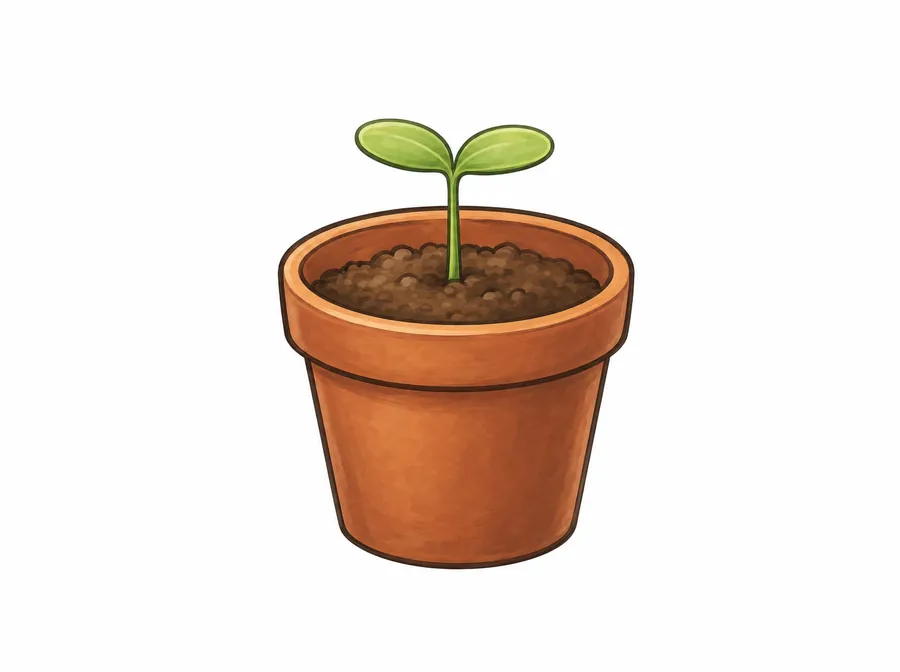
The seed goes straight into its medium, and the root is never handled. You cannot see what is happening underground, and overwatering is easy to miss without visual feedback.
Method 3
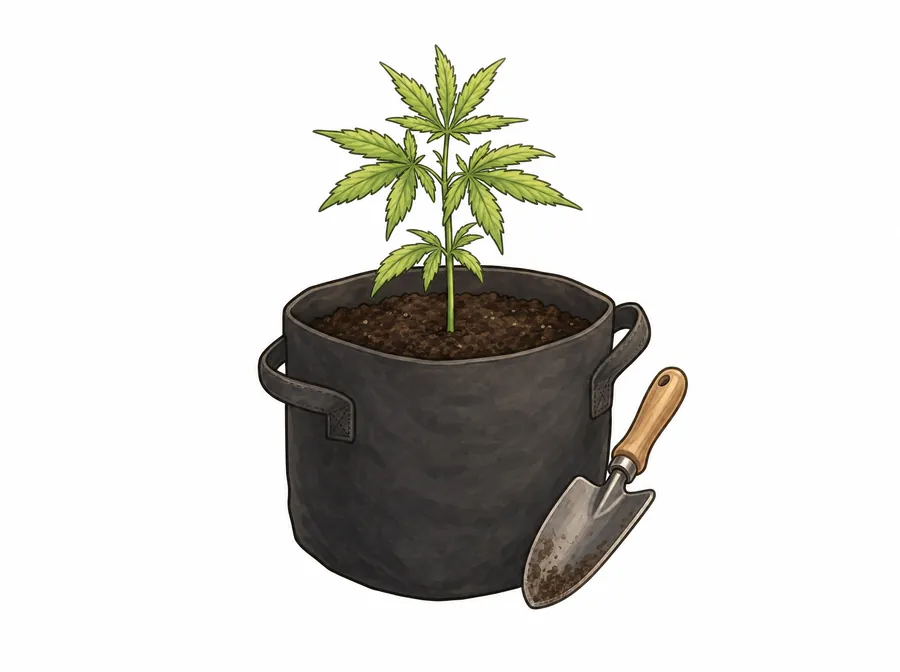
Coir holds moisture well and stays airy, giving seeds a solid balance of water and oxygen. It has almost no nutrients, so you will need to start feeding once the seedling shows its first true leaves.
Method 4
The seedling stays in its pot all the way to transplant, so the root ball is barely disturbed. Peat pots dry out faster than plastic, and the walls can slow root growth if not scored properly at transplant time.
Method 5
Starter cubes slot directly into a hydroponic net pot. They are the logical starting point if you are already setting up a deep water culture system. They require more preparation upfront than the other methods.
Seeds open most reliably at 22–26°C / 72–79°F. Measure at the seed itself, not the air in the room. A heat mat with a thermostat keeps it steady day and night. Below about 18°C / 64°F, germination slows noticeably. Above about 30°C / 86°F, seeds can cook or rot before they open.
The growing medium should feel like a wrung-out sponge damp all the way through, but no drips when you squeeze it. Too dry stops germination cold. Too wet pushes out the air, and the seed rots instead of sprouts. That balance is the most common failure point across every method.
Under a dome or lid, aim for 70–80% humidity. Open it for a few minutes once or twice a day to let fresh air in. A dome that stays shut and drips on the inside invites mold.
Use clean water at room temperature. Normal tap water or filtered water at pH 6–7 works fine for germination and needs no adjusting. Bottled water is also fine.
Match the pH to the medium you are using:
Wash your hands before touching seeds or seedlings. Wipe tweezers with isopropyl alcohol. Use clean pots and fresh growing medium. Most early seedling losses are fungal — caused by poor hygiene, not bad luck.
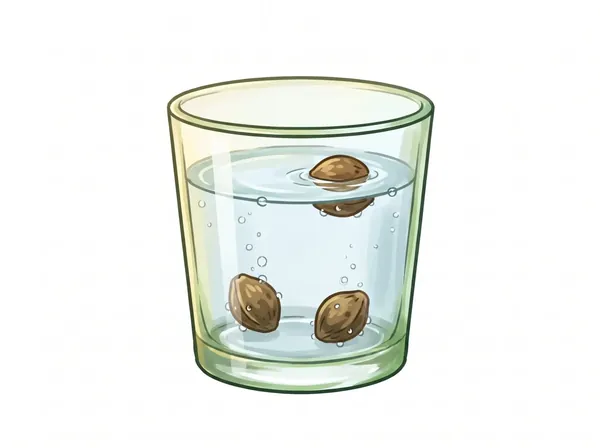
Soaking is optional. If you do it, limit the soak to 12–24 hours in room-temperature water. Longer than that cuts off the oxygen the seed needs.
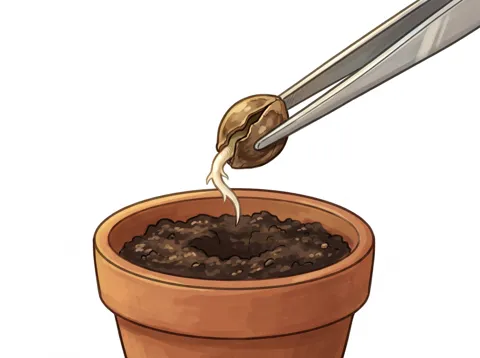
Plant the seed at a depth of about 2–3 times its own width. For larger seeds, that works out to roughly 1/4 to 1/2 inch. Too deep, and the seedling runs out of stored energy before it reaches the surface.
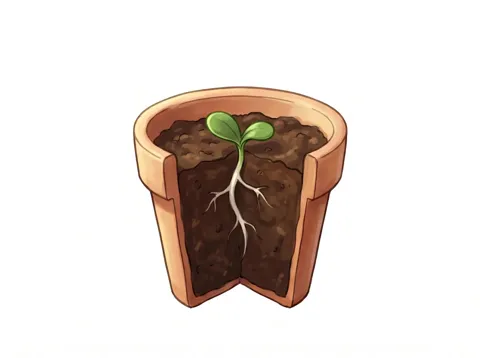
Drop the seed root-down when you plant it. Roots grow downward on their own, but a seed placed sideways or upside down has to turn around first. That wastes time and energy.
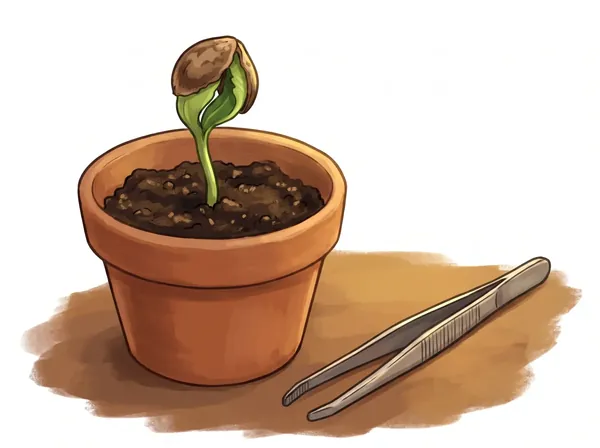
Never crack a seed open or peel the shell off. If the shell stays stuck to the first leaves after the seedling emerges, mist it lightly and wait a few hours. If it is still stuck after a full day and the leaves clearly cannot open, lift the shell off very carefully with clean tweezers.
Damping-off is a fungal disease that targets young seedlings. The stem goes thin and brown at the soil line, and the seedling topples — often overnight. There is no cure once it sets in. Prevent it with clean tools, fresh sterile medium, good airflow, and a dome that gets opened every day. Remove affected seedlings right away to stop it spreading.
🔍 Check conditions in this order:
Do not dig the seed up or squeeze it to investigate. After 10–14 days under correct conditions, count it as not viable. Not every seed germinates, and no method achieves 100%.
Germination is over once the root is out. From that point, the seedling needs light, steady moisture, warmth, and fresh air. Keep it away from strong fertilizer, overwatering, and temperature swings. If it stretches and gets leggy, the light is too weak or too far away.
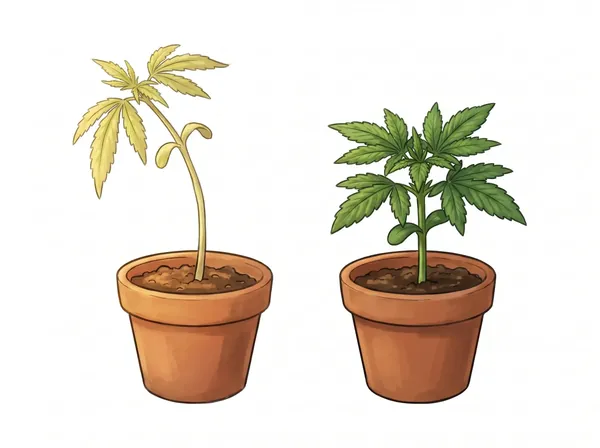
| Temperature | 22–26°C / 72–79°F at the seed. Slows a lot below 18°C / 64°F. Seeds can cook or rot above 30°C / 86°F. |
|---|---|
| Moisture target | Damp, not dripping — like a wrung-out sponge. |
| Humidity under a dome | 70–80%. Open the dome once or twice a day. |
| Germination window | Typically 2–5 days for fresh seed; 7–10 days for slower or older seed; not viable after 14 days under correct conditions. |
| Planting depth | About 1/4 to 1/2 inch (0.5–1 cm) for larger seeds; 2–3 times the seed's own width as a general rule. |
| Soaking limit | 12–24 hours maximum in room-temperature water. |
| pH by medium | Soil: 6.0–7.0 · Coco: 5.8–6.2 · Rockwool and hydro: 5.5–6.0 |
| Damping-off | Fungal disease; no cure. Prevent with clean tools, sterile medium, airflow, and a dome opened daily. |
Most fresh seeds open in 2–5 days. Older or slower seeds can take 7–10 days. After 14 days under correct conditions, the seed is most likely not viable.
22–26°C / 72–79°F, measured at the seed, not in the room. Below about 18°C / 64°F germination slows a lot. Above about 30°C / 86°F seeds can cook or rot.
About 2–3 times the width of the seed. For larger seeds that is roughly 1/4 to 1/2 inch (0.5–1 cm), with the root pointing down.
Soaking is optional. If you do it, keep it to 12–24 hours in room-temperature water. Longer than that cuts off the oxygen the seed needs.
There is no magic method. The paper towel lets you see the root, soil needs the least handling, coco coir gives a light medium, peat pots make transplanting easy, and DWC starter cubes suit you if you are going hydroponic anyway.
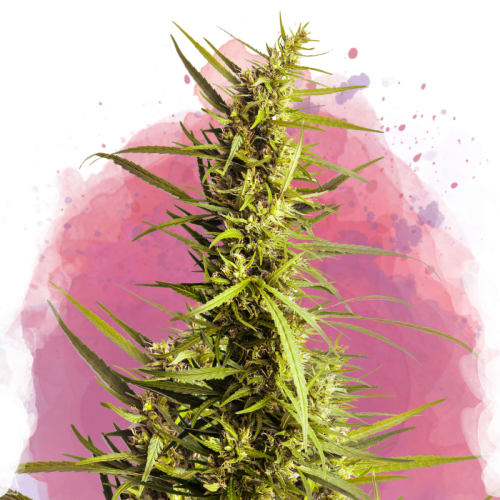
Feminized
From $15.99
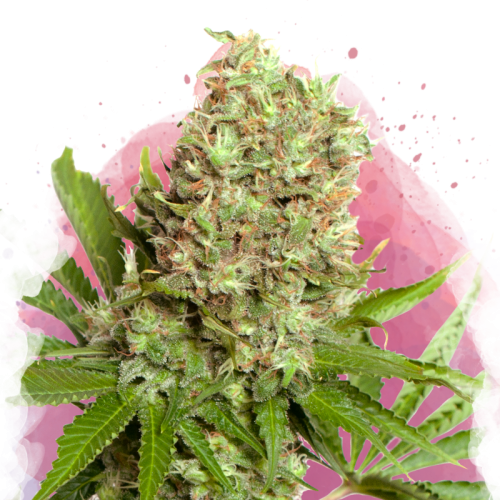
Feminized
From $12.99
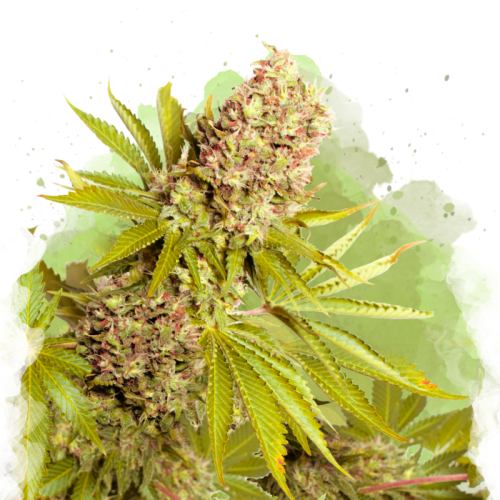
Autoflower
From $15.99
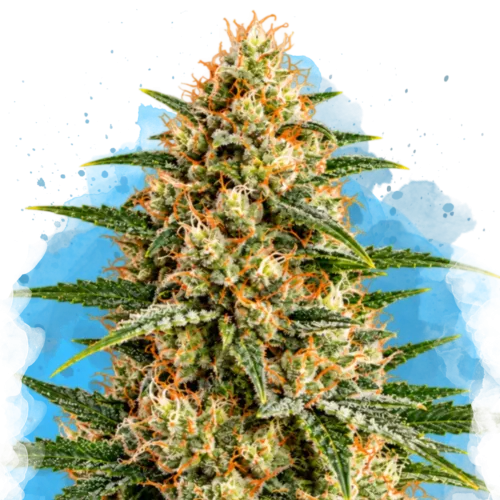
Regular
From $15.99
Your cart
Added ✓
View cartLoading your cart…
Free seed unlocked

Not sure where to start? Let the StrainFinder pick for you, or browse what other growers love.
Germination guaranteed: seeds that don’t pop are on us. How claims work
Join Nirvana Karma and get 50 Karma welcome bonus 🎁